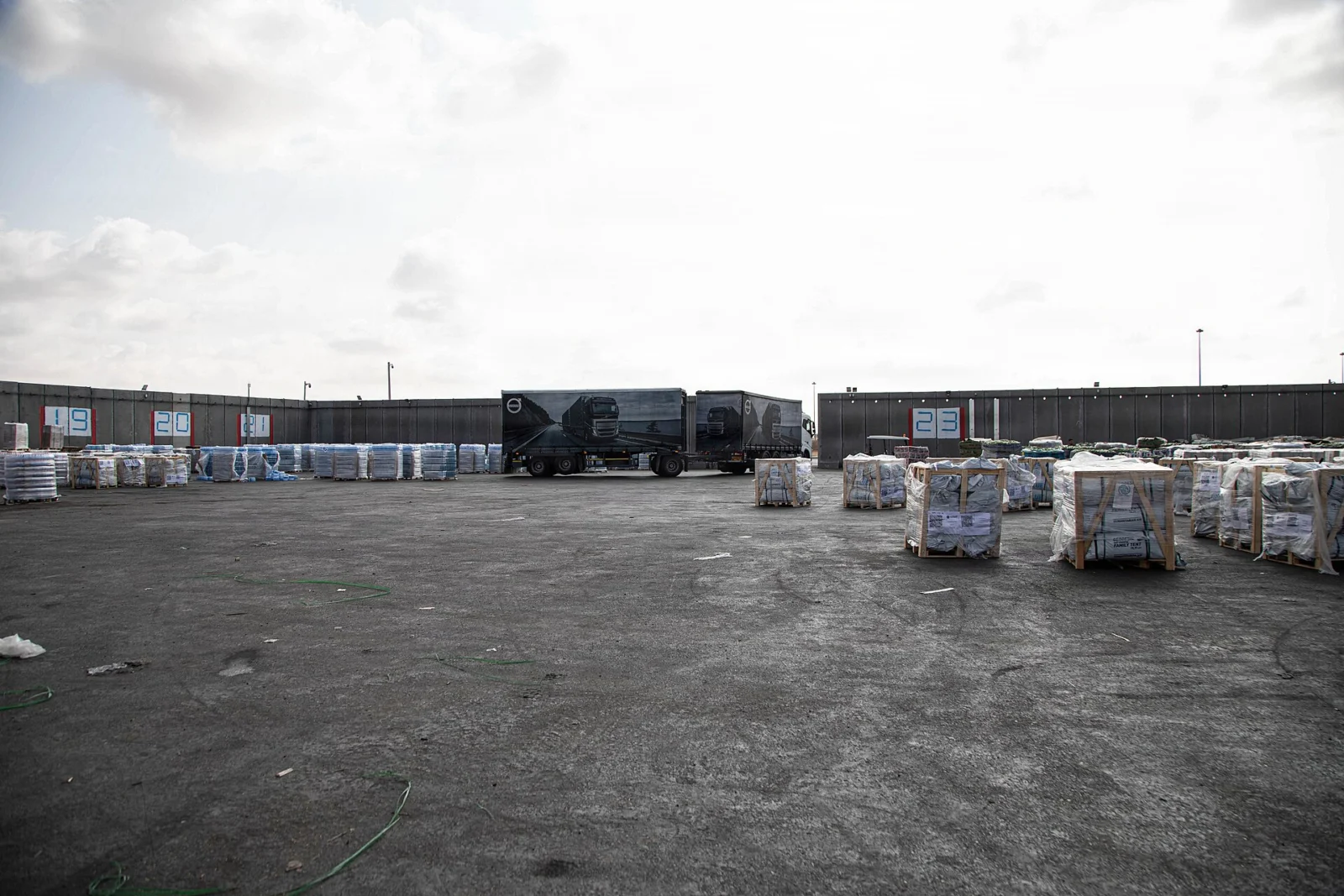
Restrictions on commercial food entering Gaza sharply disrupted markets in October, cutting average daily commercial truck arrivals to 60 from 129 in September, the UN World Food Programme (WFP) said. According to its situation report published on 21 November, wheat flour prices in the second half of October were roughly 40 to 65 percent higher than in September.
The report, covering 1 to 31 October, said the shortages drove rapid price increases, especially for flour and fresh food, with tomato prices up 42 percent over the month. Prices eased somewhat once commercial deliveries resumed but stayed above pre-restriction levels. Three-quarters of surveyed households said they had difficulty reaching markets, and 96 percent of them cited lack of money. Half of households said they had gone to bed hungry at least once in the previous month.
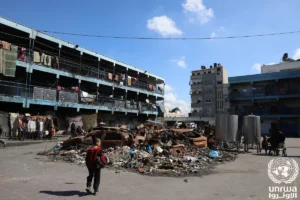
WFP said displaced families in Gaza face a fourth winter in tents, one year into the ceasefire. An estimated 65 percent of people live in tents or makeshift shelters, and early heavy rain exposed major gaps in winter preparedness. Some 1.4 million people, two-thirds of the population, are acutely food insecure.
Funding shortfalls forced WFP to cut monthly food assistance by one-third in Gaza and by half in the West Bank. Hot meals produced in WFP-supported kitchens were reduced from 250,000 to 150,000 a day. In October WFP reached 432,240 people with food parcels and flour at 28 distribution points, rations that cover only 50 percent of daily calorie needs. Kerem Shalom remained Gaza’s only operational entry point, and the Egypt corridor stayed capped at 30 trucks a day. Noting that more than 1,600 tonnes of food were damaged or spoiled last winter, WFP called for more covered storage at the crossing.
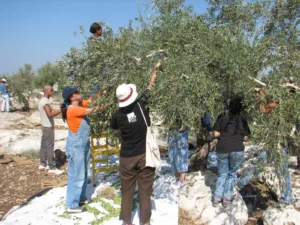
In the West Bank, the food consumer price index rose 1.9 percent month-on-month and 6.3 percent year-on-year in September, while unemployment stayed at 28 percent, more than double the pre-crisis 13 percent. Movement restrictions and settler violence disrupted the olive harvest, with olive oil prices reportedly doubling compared with previous seasons.
Background
Humanitarian aid and commercial supplies increased after the ceasefire declared in October 2025, but WFP says they remain insufficient for the scale of needs and that the crisis is far from over. The agency’s total requirement for 2026 is $1.3 billion, with a net funding gap of $436 million for November 2026 to April 2027.
Why it matters
The report shows how dependent Gaza’s food supply is on commercial truck flows: when deliveries falter for a month, prices climb quickly and the burden shifts to humanitarian aid. With winter arriving and assistance being cut for lack of funding, rain and flooding could make conditions worse for hundreds of thousands of people in shelters.
Source: BM Dünya Gıda Programı (WFP) / ReliefWeb · Image: U.S. Army USARCENT by Sgt. 1st Class Malcolm Cohens-Ashley, Public domain