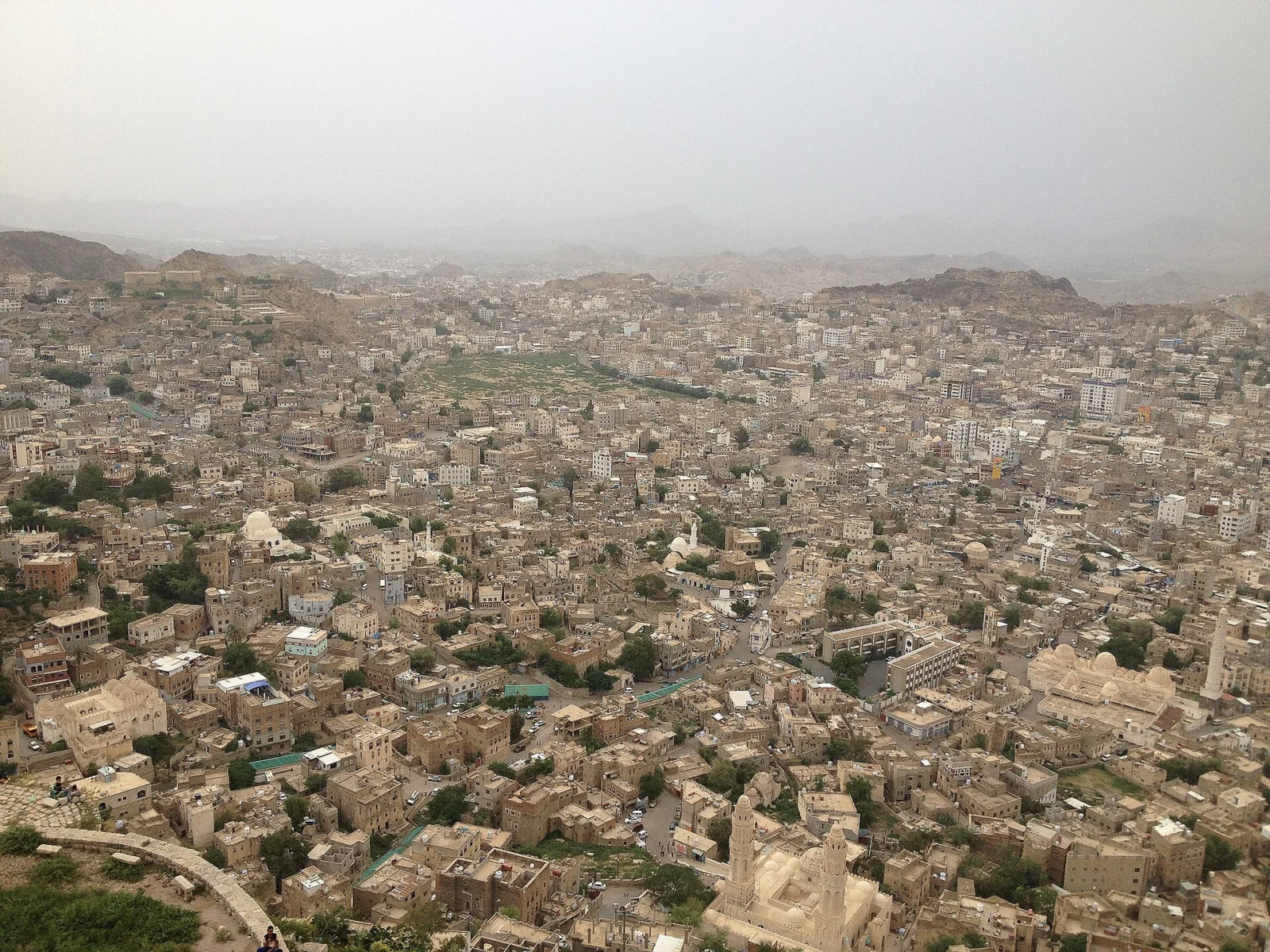
The UN’s top humanitarian official, Tom Fletcher, arrived in Yemen on Wednesday, 25 November, warning that the war is preventing families from reaching the food and medicine they need to survive, with the situation in Taiz City particularly severe.
According to UN News, Fletcher said “millions are hungry” across the country and that Yemen, devastated by years of conflict, is “being pushed deeper into crisis”. “Hospitals and first responders are under attack. Fighting, insecurity and heavy restrictions along key supply routes are preventing families from accessing the food and medicine they need to survive,” the Under-Secretary-General for Humanitarian Affairs said.
Fighting continues between Saudi-backed government forces based in Aden and the Iran-backed Houthis, who have held the capital, Sana’a, for years. In a statement, Fletcher said he had travelled to Yemen to push for urgent aid access to civilians, including some 364,000 people who have fled their homes since August and “tens of thousands this past week alone”.
He warned that severe underfunding has driven the international response to breaking point and said he would urge the international community to step up its support. Safe and sustained access to civilians is an immediate priority, “with Taiz a particularly urgent priority”. Describing the global humanitarian effort as “overstretched, underfunded and under attack”, he said the aid response in Yemen is “furthest off track”. “We will not allow the people of Yemen to slip off the world’s radar,” he said.
Fletcher also called on the Houthis to “immediately and unconditionally release our detained UN colleagues and other humanitarians”. As of mid-October, 71 UN personnel remained in Houthi detention. Last month it emerged that Mohammad el Shami, a Yemeni UN human rights employee held for more than two years, had died in custody; UN rights chief Volker Türk said his family learned of his death weeks later. In June, the UN said another colleague had died in detention.
Background
UN Special Envoy Hans Grundberg told the Security Council on 9 October that many detainees had serious health problems. Since fighting escalated again in early August, the UN has reported more than 360,000 people displaced and hundreds of civilians killed or injured. Earlier this week, the UN said some 350,000 children in besieged Taiz had missed a national measles and rubella vaccination campaign.
Source: BM Haberler · Image: SharabSalam, CC BY-SA 4.0