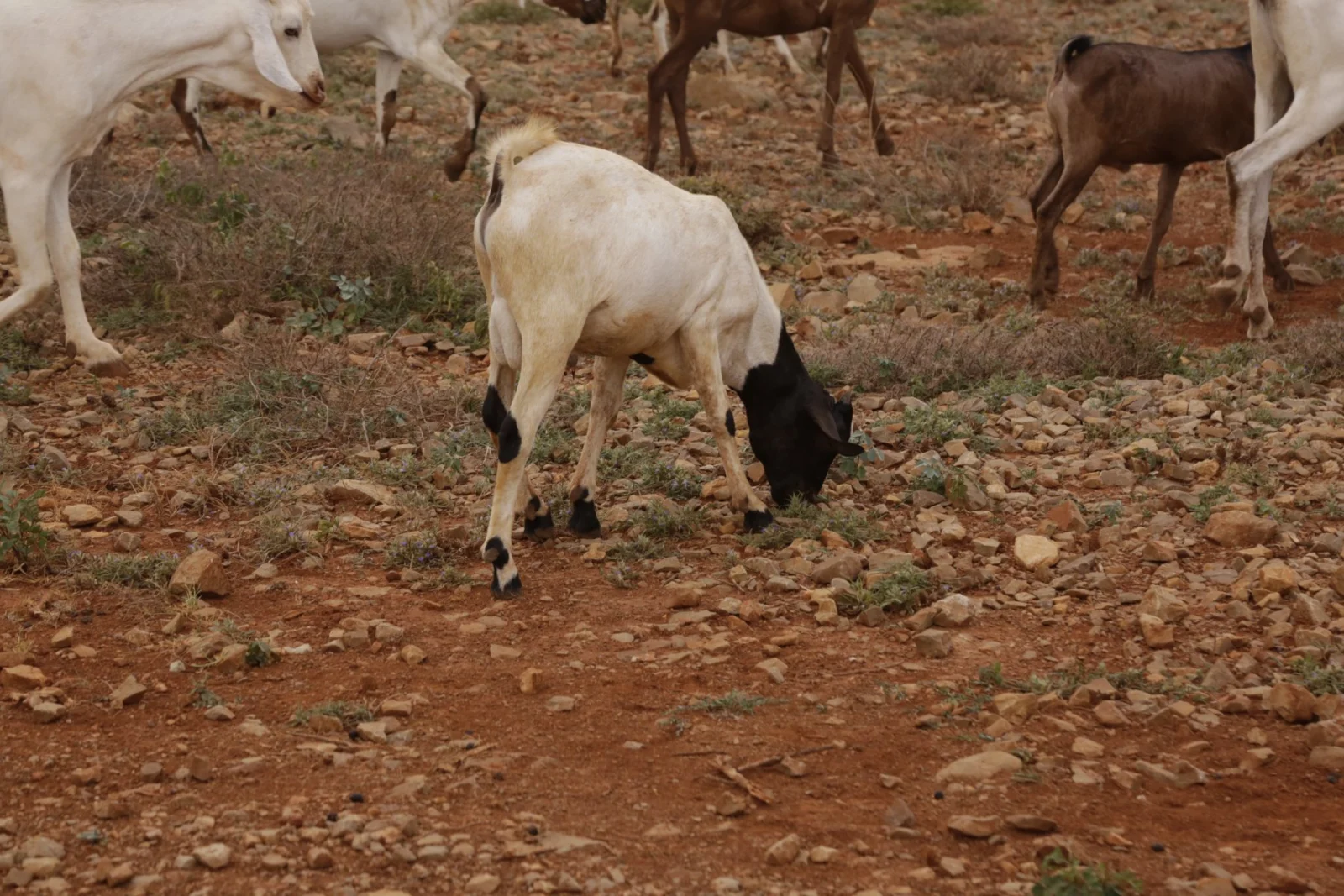
Displaced people in the Somali city of Baidoa are no longer considered at risk of famine, but millions of people across the country still face severe food shortages and malnutrition, according to an updated analysis released on Wednesday by the UN-backed Integrated Food Security Phase Classification (IPC).
According to UN News, the IPC had expected roughly 5.4 million people in Somalia to face severe food insecurity between October and December. After the situation of internally displaced people in Baidoa was reassessed, that figure was revised down to 5.3 million, slightly below the previous assessment in August.
The IPC classifies the severity of food insecurity on a five-phase scale, with Phase 5 being famine. The analysis found that displaced people in Baidoa will remain in the emergency level, Phase 4, of acute food insecurity through the end of the year, while acute malnutrition in the area remains at a critical level.
However, the area is no longer considered at risk of famine because the plausible worst-case scenario of extreme El Niño-induced flooding and displacement has not materialised and is unlikely to occur before the end of 2026, the IPC said. The updated findings draw on new data collected since August on food availability, nutrition, deaths and displacement.
Child malnutrition remains the main concern. The IPC expects another 7,000 children to suffer from malnutrition between July 2026 and June 2027, bringing the total number of children affected or expected to be affected to 1.92 million, including 437,000 facing severe malnutrition.
Background
The IPC is a UN-backed platform that assesses food security data on a common scale. The famine warning for Baidoa issued in August was tied to a scenario of extreme El Niño-driven flooding and displacement. The report stresses that the humanitarian situation in Somalia remains fragile, with millions of people in need of food and nutrition assistance. It calls for urgent and sustained support for food security, livelihoods, nutrition, health, and water, sanitation and hygiene services, particularly for displaced communities and people in hard-to-reach areas.
Source: BM Haberler · Image: Mayow2020, CC0