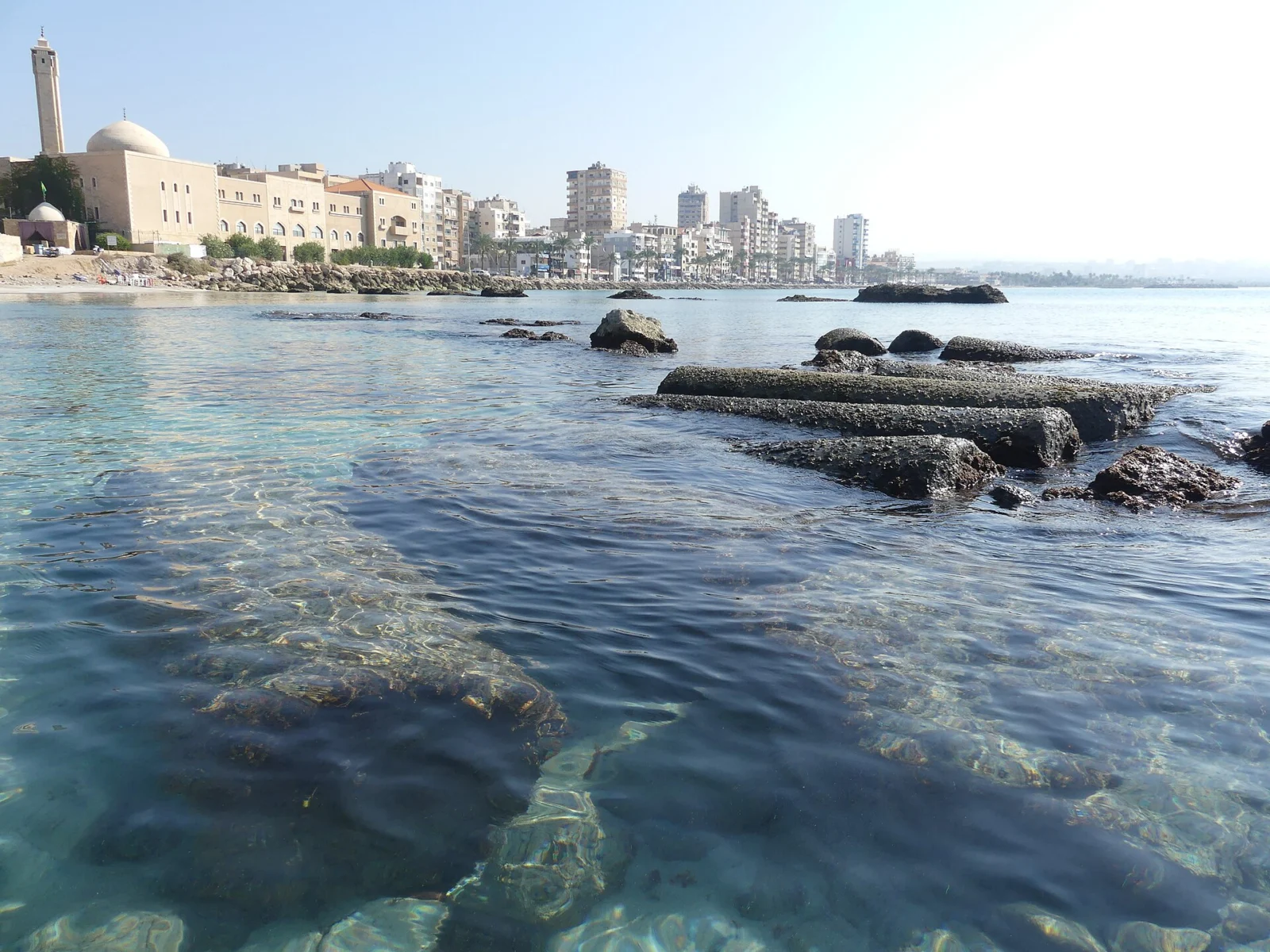
Médecins Sans Frontières (MSF) has released a report documenting the severe and lasting impact of Israeli attacks on civilians and healthcare in southern Lebanon during the escalation earlier in 2026. According to the report, titled “No one is spared,” a single strike near a hospital in Tyre on 1 June wounded 127 people, 39 of them health workers.
The report, launched in Beirut, draws on direct witnessing by MSF teams who supported emergency and trauma care at two hospitals: Jabal Amel hospital in Sour (Tyre) and Najdeh Al-Shaabiyeh hospital in Nabatiyeh. MSF said the 1 June strike marked the highest number of health workers wounded in a single attack during the escalation.
Patients arrived at emergency rooms and operating theatres with severe blast, fragmentation and other traumatic injuries, the organisation said. Its teams treated internal organ and brain damage caused by pressure waves, fractures and penetrating wounds from shrapnel, blunt trauma from people thrown by explosions, severe burns, crush injuries and smoke inhalation. Lebanese Civil Defence teams reported three types of drone-fired munitions: standard explosives, munitions fitted with blades and munitions packed with small metallic cubes. MSF staff treated wounds consistent with all three, most often high-velocity shrapnel from metallic cubes.
“Our teams witnessed people devastated by the full spectrum of blast trauma,” said Dr Luna Hammad, MSF medical coordinator in Lebanon. “Patients arrived with deep internal damage, shattered bones, and dozens of metallic fragments embedded throughout their bodies.” Many survivors needed repeated surgery, prolonged intensive care, rehabilitation and prosthetic devices.
MSF said it documented incidents in which Israeli strikes directly hit, or landed dangerously close to, medical facilities, ambulances and rescue teams, including cases in which first responders were reportedly struck while trying to recover casualties. “Their deaths are not an unavoidable tragedy, but the direct, human cost of attacks on healthcare,” said Guilherme Botelho, MSF head of mission in Lebanon. The report does not include a response from Israel.
Background
According to MSF, the escalation strained a health system already short of specialised staff and medical supplies, forcing the reduction or suspension of non-emergency care and complicating referrals. Rescue teams often had to wait until it was safe to move, delaying responses, and ambulances at times carried several patients at once.
MSF called on all parties to uphold international humanitarian law and specifically urged Israel to respect and protect medical staff, ambulances, emergency responders and civilians, including those who remain in or return to war-affected areas. It also asked states with influence over the parties to use their leverage.
Source: Sınır Tanımayan Doktorlar (MSF) / ReliefWeb · Image: RomanDeckert, CC BY-SA 4.0