Many of the millions of Afghans forced back from Iran and Pakistan in recent years are women who left behind jobs, education and relative stability. Two women interviewed by UN News in Herat described a daily struggle to get by since their return.
Zahra, a 28-year-old trained midwife in Herat in western Afghanistan, spent five years caring for an elderly woman in Iran and earned enough to live on. Now unemployed, she lives with her parents and siblings, while her six-year-old son lives with her former husband. She says she sees him only twice a month. Zahra went to Iran after finishing her midwifery training, citing the Taliban, the bad economy and the fact that she was educated.
Homa, 44, spent six years in Iran, cleaning apartments and collecting recyclable plastic to sell. She is now her family’s only breadwinner and shares a single room in her brother-in-law’s house with her husband, who has a disability and cannot work. She cleans houses and sews clothes whenever she finds orders. “I had a better life in Iran,” she said. “Unfortunately, we were deported.” Some days, she said, she must beg in the street.
Homa used cash assistance from a partner organisation of the UN refugee agency, UNHCR, to buy a sewing machine and now earns an income working from home. She said that two months ago her family had nothing to eat, and that the money bought rice and oil. Zahra has become eligible for cash assistance, legal support and psychosocial services.
Background
According to Charlie Goodlake of UNHCR, more than 6.5 million Afghans have returned over the past three years, including nearly 3 million in 2025 alone. The returns have added more than 10 per cent to Afghanistan’s population, straining housing, jobs and public services. Women and girls make up more than half of the people UNHCR assists, and women and children together account for nearly 82 per cent. Goodlake said shelter is the primary need of women and girls, while cash assistance, education, livelihoods and protection services are also critical given the restrictions on women. UNHCR runs more than 150 vocational training projects across Afghanistan.
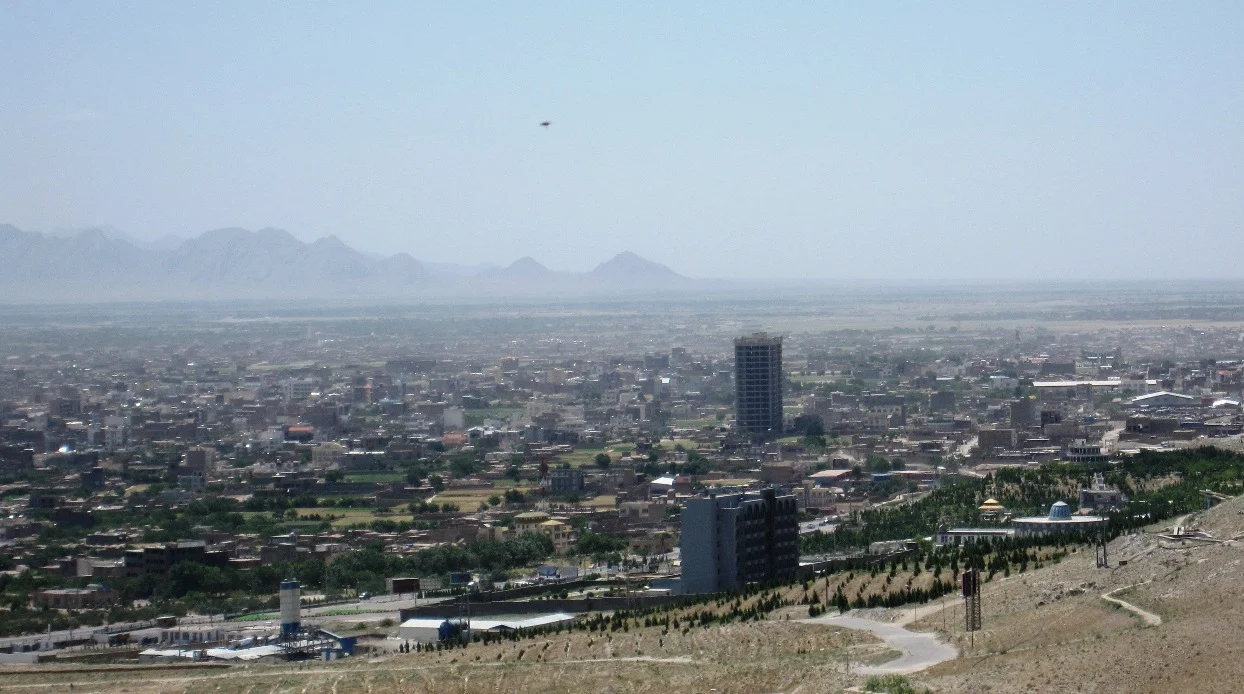
Source: BM Haberler · Image: Employee of the U.S. State Department, Public domain