NASA has marked the 65th anniversary of its Johnson Space Center in Houston, the hub that has run US human spaceflight from the Gemini and Apollo missions to the International Space Station. Today its teams are preparing to return astronauts to the lunar surface and build a long-term human presence at the Moon.
According to an article published by NASA, employees and guests celebrated the anniversary on 19 November at the Lunar Receiving Park in Houston. Johnson is home to NASA’s Orion and Moon Base programmes and also supports astronaut training, spacecraft development, mission operations and human health research.
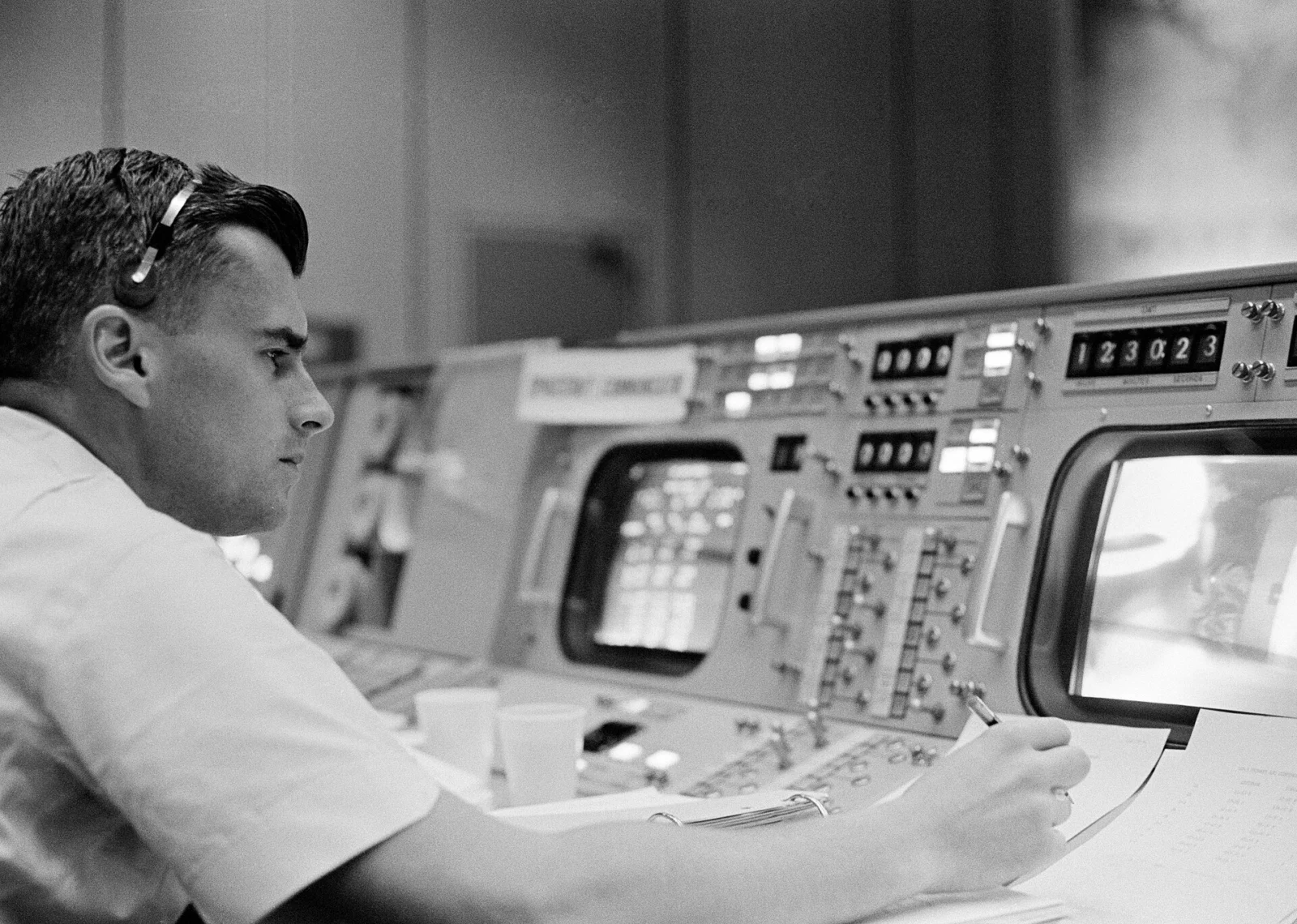
The centre opened on 1 November 1961 as the Manned Spacecraft Center, when NASA had flown two suborbital Mercury missions. Its new Mission Control Center became NASA’s primary flight control centre in June 1965 with the Gemini IV mission, which included the first American spacewalk.
Apollo 8 circled the Moon in December 1968, and seven months later Apollo 11 astronauts Neil Armstrong and Edwin “Buzz” Aldrin landed on the lunar surface. NASA notes that their first voice transmission after landing began with the word “Houston.” Five more landings followed before the Apollo programme ended in December 1972.
When Skylab, America’s first space station, lost its thermal shield during its May 1973 launch, Houston engineers designed and built a sun shield in less than 10 days; its three crews stayed 28, 59 and 84 days. In July 1975, American astronauts and Soviet cosmonauts met in space for the first time during Apollo-Soyuz.
The space shuttle era began with Columbia in April 1981. Over 135 missions the programme flew 355 people from 16 nations, closing with STS-135 in July 2011. Johnson also manages the International Space Station, where the first crew arrived on 2 November 2000. Since then, 298 people from 26 countries have visited, conducting more than 4,000 science experiments and educational activities.
Background
Lunar samples from Apollo were first analysed at the centre’s Lunar Receiving Laboratory. The building was demolished in March 2024, and the Lunar Receiving Park was dedicated this year to honour its history. The Apollo collection is still curated and studied at the centre.