Nine months after the renewed escalation of conflict in Lebanon, hundreds of thousands of people remain displaced, according to the Swiss-based humanitarian organisation Medair. Although a ceasefire was agreed on 20 June, more than 6,000 attacks have been recorded since then, the group said.
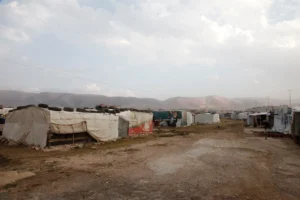
In a statement issued in Beirut and published on ReliefWeb, Medair said around 11,000 displaced people remain in collective shelters, while more than 300,000 are displaced outside their areas of origin. Many do not know when, or whether, they will be able to go home. In southern Lebanon, access restrictions around and beyond the so-called Yellow Line, continuing insecurity and extensive damage are keeping people from returning.
An estimated 700,000 people have returned to conflict-affected areas, the group said, often finding homes, livelihoods and essential services damaged or destroyed, and living with deep uncertainty over whether the ceasefire will hold as near-daily airstrikes continue in the south.
Hassan, 72, who fled his village in the south and now lives with his wife in a classroom turned into a shelter, said the family lost the house they had spent years building and their olive groves. “All we want is a safe place to live, some stability and the chance to rebuild our lives with dignity,” he said.
Since the escalation began on 2 March, Medair said it has served 118,080 internally displaced people across the Bekaa Valley, Beirut, Mount Lebanon and the south, distributed 181,416 core relief items and kits, and reached 459 collective shelters. In Al-Abbassiyeh, it converted an unused vegetable market into housing for 57 families, about 300 people, allowing classrooms to return to teaching. “Lebanon may no longer be making international headlines, but the emergency is far from over,” said Kirollos Fares, Medair’s country director in Lebanon, adding that the destruction in many communities dwarfs even that of the civil war.
Background
Recent UN figures paint a similar picture. The UN Office for the Coordination of Humanitarian Affairs (OCHA) said about 1,200 people left collective shelters in the first two weeks of November and warned that the food crisis would deepen in 2027. The International Organization for Migration (IOM) has reported that more than 304,000 people remain displaced inside Lebanon.
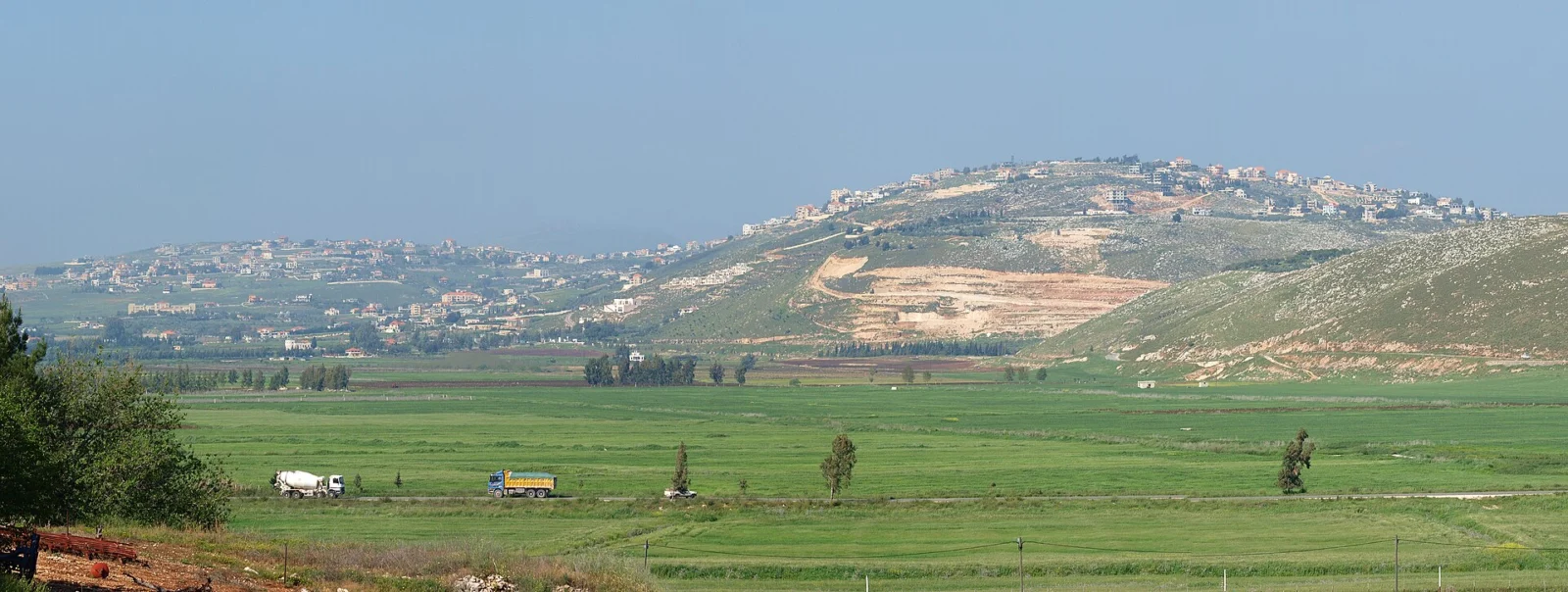
Source: Medair (ReliefWeb) · Image: Staselnik, CC BY-SA 3.0