More than 360,000 people have been forced from their homes in Yemen since the start of August, when fighting between government forces and the Houthis escalated again. UN spokesperson Stephane Dujarric said on Monday that 323 civilians had been killed or injured over the same period, and that children accounted for more than a third of the casualties.
According to UNHCR figures dated 19 November, a total of 360,622 people in 60,096 households were internally displaced in Yemen or crossed into Djibouti between 1 August and 19 November. The agency also recorded 4,810 new arrivals from Yemen in Djibouti and Somalia during that period.
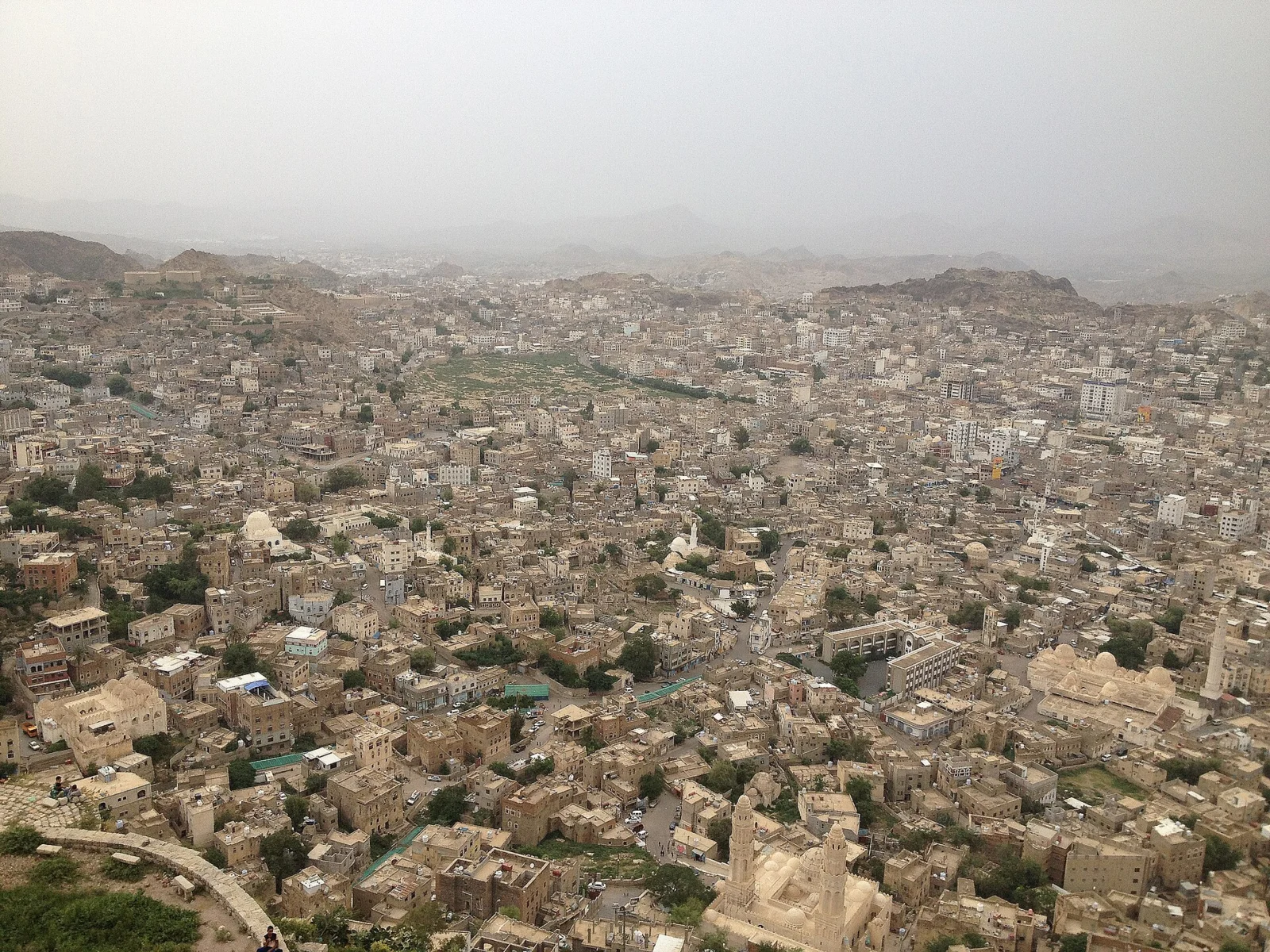
Citing the International Organization for Migration (IOM), Dujarric said Taiz governorate is hosting the largest number of displaced people, at around 145,000. He said the UN Human Rights Office has verified 323 civilian casualties since early August, including 76 people killed and 247 injured. “Children account for more than a third of all casualties and half of those killed,” he said, adding that the actual numbers are probably much higher.
Road restrictions continue to disrupt civilian movement and the delivery of commercial supplies into Taiz, further complicating conditions for residents and displaced families, the spokesperson said.
On the same day, the Irish aid organisation Concern Worldwide announced a new EU-funded health and nutrition programme in Yemen. The HAYAT Consortium, which brings together Concern, Action Against Hunger (ACF), Première Urgence Internationale and two Yemeni organisations, will support 64 health facilities in the governorates of Hajjah, Hodeidah, Raymah, Taiz, Lahj and Abyan, aiming to reach more than 448,000 people with malnutrition treatment, healthcare, water and sanitation, and psychosocial support for children and caregivers. Victor Moses, Concern’s country director in Yemen, said the consortium helps ensure assistance reflects local realities and reaches the communities most in need.
Background
Yemen’s civil war began in 2014, when the Houthis seized the capital, Sanaa. A Saudi-led coalition intervened in 2015 to support the internationally recognised government. Fighting escalated again in July after the collapse of a ceasefire reached in 2022. According to Concern, more than 18 million people in Yemen face acute food insecurity, more than 2.2 million children under five suffer from acute malnutrition, and 22 million people need humanitarian assistance to survive.
Source: BMMYK (ReliefWeb), Middle East Monitor, Concern Worldwide (ReliefWeb) · Image: SharabSalam, CC BY-SA 4.0